
Winter is the season when Sikkim’s skies are at their sharpest. From December to February, the post-monsoon haze is gone and Kanchenjunga stands out from Gangtok, Pelling and Darjeeling on most mornings. Snow is the trade-off: it is reliable only above roughly 3,000 metres, and roads to those heights can close without warning.
This guide covers the best places to visit in Sikkim in winter, what each offers, which permits you need and how to fit them into a realistic trip.
Where You Will Actually See Snow
Tsomgo (Changu) Lake and Baba Mandir
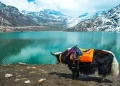
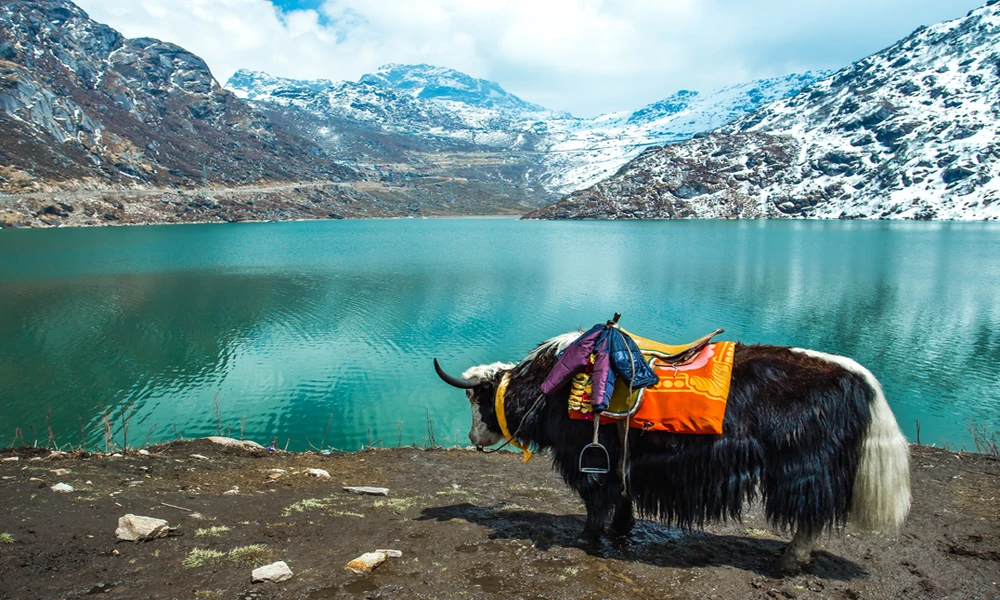
Tsomgo Lake sits at about 3,780 metres, around 38 km from Gangtok, a drive of roughly two hours. It freezes at the edges in January and is often ringed with snow. Beyond it, Baba Mandir (about 4,000 metres) and Nathu La border road are the easiest snow experiences for families. Non-Indian nationals need extra permissions, while Indian citizens need a permit arranged through a registered operator, usually with a photo ID. Nathu La is closed on certain days and in bad weather, so confirm before planning around it.
Go early. By late morning, clouds often roll in and the road gets slushy. Carry gumboots or hire them locally, along with a padded jacket, as the wind at the lake is sharper than the thermometer suggests.
Lachung and Yumthang Valley
Lachung (about 2,750 metres) is roughly 120 km and 5 to 6 hours from Gangtok. In winter it is cold but manageable, with night temperatures commonly below zero. Yumthang Valley, around 25 km further up at about 3,500 metres, is under snow from December to March, and its rhododendron sanctuary is bare but stark and beautiful. Zero Point (Yumesamdong, about 4,800 metres) is often shut in deep winter.
North Sikkim requires a Protected Area Permit for non-Sikkimese visitors, arranged through your tour operator. Heavy snowfall can block the road beyond Chungthang, sometimes for days, so keep a spare day in your schedule.
Lachen and Gurudongmar Lake
Gurudongmar Lake (about 5,100 metres) is among the highest lakes in India, and in winter much of it freezes over. It is also the hardest place on this list. Temperatures can drop below minus 15°C, and the road from Lachen is frequently closed from December to February. Altitude sickness is a real risk for first-timers. If the road is open, it is stunning; if not, Lachung and Yumthang are the more dependable choice. Do not push for Gurudongmar if you are travelling with young children or elderly relatives.
Where You Get the Clearest Mountain Views
Pelling and Pemayangtse
Pelling (about 2,000 metres) has some of the closest views of Kanchenjunga from Sikkim’s west. Winter mornings are the best time, and the Pemayangtse Monastery, Sanga Choeling and Rabdentse ruins are all within a short drive. Skywalk and Chenrezig statue are crowd-pleasers, but the real draw is simply the sunrise from your hotel balcony. Snow is rare here, but cold, crisp days are typical.
Gangtok: Tashi View Point and Hanuman Tok
You do not need to leave the capital for a mountain view. Tashi View Point, about 8 km from town, faces Kanchenjunga on clear mornings. Hanuman Tok and Ganesh Tok offer broader city panoramas. Gangtok sits at about 1,650 metres and rarely sees snow, but winter nights are around 4 to 8°C.
Ravangla and Maenam Hill
Ravangla (about 2,100 metres) is calmer and less visited. The Buddha Park and the climb to Maenam Hill, near 3,000 metres, offer winter views across the south, with a chance of light frost. It is a good pick if you want quiet days after a busy tour.
Zuluk and the Old Silk Route
Zuluk (about 3,000 metres) is on the old Silk Route and is best known for its zigzag road and winter sunrise at Thambi View Point, with Kanchenjunga glowing in the distance. Facilities are basic, homestays are small and roads are rough. Book early and expect limited network. An Inner Line Permit is needed, so check requirements with your operator.
A Sample 6-Night Winter Route
| Day | Plan |
| 1 | Arrive Bagdogra (IXB) or NJP, drive to Gangtok (4 to 5 hours) |
| 2 | Tsomgo Lake and Baba Mandir |
| 3 | Gangtok to Lachung, overnight |
| 4 | Yumthang Valley, return to Gangtok |
| 5 | Gangtok to Pelling (5 to 6 hours) |
| 6 | Pemayangtse, Rabdentse, sunrise views |
| 7 | Drive to Bagdogra or NJP for departure |
Pakyong Airport near Gangtok has limited flights, so Bagdogra remains the more flexible gateway. Winter fog can delay flights, so avoid tight same-day connections.
Practical Tips for a Winter Trip
- Clothing: thermal layers, a down jacket, gloves, woollen cap and waterproof boots for the north.
- Cash: carry enough, as ATMs are scarce beyond Gangtok and network can be patchy in Lachung and Lachen.
- Acclimatisation: spend a night in Gangtok before heading higher and drink plenty of water.
- Buffer days: snow can delay travel, so avoid booking onward flights on the day you return.
- Peak dates: Christmas and New Year are busy and costlier, so book well ahead.
Choosing the Right Places to Visit in Sikkim in Winter
If snow is the priority, choose Tsomgo, Yumthang and Zuluk. If you want crisp views without extreme cold, pick Pelling, Gangtok and Ravangla. Many travellers combine both, which is why a seven-day route works well.
Conclusion
The best places to visit in Sikkim in winter fall into two groups: high-altitude spots for snow, and mid-altitude towns for clear Kanchenjunga views. Keep North Sikkim flexible, protect your schedule with buffer days and confirm road status and permits before you travel.
If you would like a route built around your dates, budget and group, send an enquiry to Sikkim Tourism for a customised winter itinerary and current rates.