

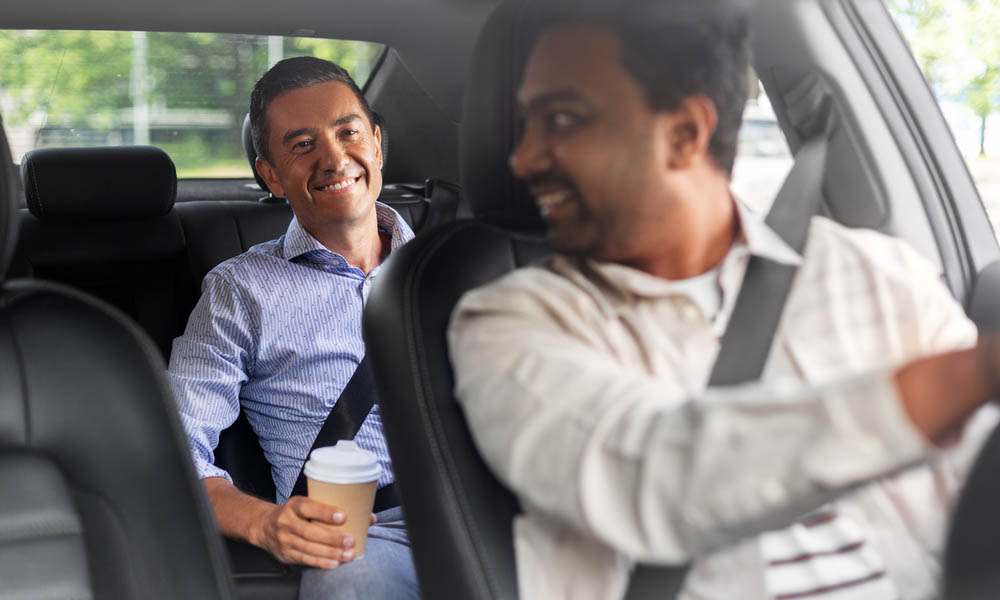
I spend a lot of time watching how streets actually work. Not the map, the real flow. Over the past year I have seen more e scooters around Doncaster, from trial zones to private rides on quiet side roads. At the same time I have kept using a local Doncaster Taxi team that sets the standard for steady, safe service. When people ask me how scooters and taxis fit together, I think about real corners, real kerbs, and real riders. If you want a quick feel for the operator I rate, take a minute and skim their site here before we get into the detail: Doncaster taxis homepage. It shows the calm tone I look for when streets get busy.
A morning that showed me the new mix
I stood near the station on a weekday morning. Rain had cleared. The road shone a little. Commuters crossed with coffee in hand. Two e scooter riders rolled past at gentle speed in the cycle lane. A Taxi Doncaster car arrived for a pickup. The driver paused at a legal spot just past a side road, checked mirrors, and opened the boot. One rider signalled, slowed, and passed wide. No horns. No drama. Then a delivery van edged out and blocked half the lane. The driver waited, let the van clear, then moved off when the gap opened.
This is the new picture. People use scooters for short hops. People use Doncaster Taxis for fixed times, doors that matter, and trips with bags or kids. The street works when everyone reads the same small cues and leaves each other room.
Why scooters appeared and why they will stay
Scooters fill the short end of the travel scale. Students hop to a seminar. Staff go to a lunch spot across town. Someone connects the last mile from a bus stop to a shift door. They are light, quick, and easy to park. They also change how kerbs feel for taxis. Pickups near lane lines need better choices. Doors open into different patterns. That is not a problem when drivers choose wiser stops and riders keep eyes up. The street adapts.
Where taxis still do the heavy lifting
Scooters help with short, solo trips. Taxis carry the rest. If you have bags, children, or a clock you dare not miss, you call a Doncaster Taxi. You set a time and a door. You ride in the rain without wrestling with a poncho. You arrive calm for a clinic, a meeting, or a train. On strike days and storm days, taxis hold the day together. On event days, taxis stage one road back so you move while crowds stack at the main gate. Scooters are good tools. Taxis are the backbone.
The simple rules that make streets safer for everyone
Mixed streets need clear habits. You do not need a poster. You need people doing small things well.
- Taxis stop in legal bays or on side roads with space
- Scooter riders slow for crossings and pass with room
- Doors open on the pavement side first
- Drivers check shoulder and mirror before pulling out
- Riders signal with a hand and look over the shoulder once
These are tiny acts. They prevent almost everything that could go wrong in day to day flow.
Picking pickup points that do not clash with scooters
Most missed or messy pickups start with a vague place. In a town with more e scooters, good pickup points matter more.
- Use side roads with a wide kerb instead of live bus lanes
- Avoid painted cycle lanes at the edge of the carriageway
- Choose a numbered door or named gate that does not move
- Keep room behind the car for prams or a ramp if needed
- Pick places with sight lines so everyone can see each other
I watched a Taxi Doncaster driver move a pickup by twenty metres to clear a new lane marking. It took five seconds to explain on the approach call and it made the stop safer for all.
The story of a lunch break that nearly went wrong
Around noon I saw the one moment that does cause trouble. A rider cut across a zebra just as a taxi signalled to pull off the kerb. Both saw each other late. Both stopped. It ended fine. The lesson is simple. No one owns those mixed edges. You check twice. Drivers look over the shoulder for fast silent traffic. Riders assume a car door may open. If you treat the edge like a shared space, you will not need to test your reflexes.
Why Doncaster Taxis still win on value
People ask me if scooters make taxis less useful. Not at all. Taxis cost money, yes, but value is time saved and stress avoided. A smart Doncaster Taxis team offers fixed prices for common legs and clean meter rules for the rest. Quotes match receipts. You step out by the right door, not after a long walk in the rain. If you carry samples, laptops, or a child seat, a scooter is not the right tool. A taxi is.
Students, scooters, and safe late nights
Students use scooters. They also work late, study late, and go out late. Scooters are not always the best choice after dark or in wet weather. A pre booked Taxi Doncaster gives a lit pickup point, a legal stop, and a route that keeps moving. Share the pin in your group chat. Keep your phone volume on. Ask for a quiet street one block from a busy door where crowds thin. Safety looks like planning, not like a loud siren.
Families, scooters, and the weekend loop
Families try scooters at parks and on quiet paths. That is fine. For a full day with a pram, swim kit, coats, and snacks, you want a car. Book an MPV for five or six. Ask for drop points with firm ground and space for a ramp if you need one. Good Doncaster Taxi drivers open the boot away from wind, pick higher kerbs when rain sits on the edge, and give you time to buckle kids without rush. Scooters bring fun. Taxis bring calm.
Commuters and the last mile
I like scooters for the last mile if the route is simple and dry. I do not recommend them when you carry a laptop and your shifts start at dawn. A local Doncaster Taxi at 05.15 is worth every pound when the station is cold and the bus is late. Ask for fixed prices on repeat legs. Keep receipts. Choose a side door near your desk to cut a long walk across a car park.
How drivers adapt to scooter heavy streets
The best taxi drivers in Doncaster already changed a few habits.
- They leave an extra beat before pulling away
- They signal early and check mirrors twice
- They choose stops beyond a junction so riders are not forced to squeeze
- They open doors on the pavement side first and check the road side before other doors open
- They speak to passengers about the safest side to exit
Small changes, large gains. That is what craft looks like when streets evolve.
How scooter riders can make life easier for taxis
Street respect should run both ways.
- Do not hug the door line when a taxi is stopped with hazards on
- Pass wide and slow past a loading car
- Keep hands free to signal
- Use lights in low light
- Give drivers the time to clear a stop when the gap opens
Everyone gets where they are going faster when people let others finish their move.
Legal basics that matter at the kerb
I avoid legal lectures. That said, there are baseline points that help.
- Taxis should not stop where they block a marked cycle lane or cause a hazard
- Riders must not use pavements unless rules say they can
- At a zebra, drivers stop for pedestrians – riders should act like other road users at crossings and slow to negotiate space safely
- Shared paths and trial zones have signs that show who can use them
The goal is simple – do not surprise people. If your move will surprise someone, change your move.
Roadworks, cones, and quick fixes
Cones change everything. On one visit I watched a driver face a new chicane of bollards near a popular pickup. He called the passenger, moved the meeting point to a calmer side street, and arrived on time. A scooter rider can squeeze through a gap that a car cannot. That is fine in motion. It is not fine at the kerb. Meet where cars can stop legally and load without stress. If you meet wrong, you start wrong.
Weather and what it does to mixed streets
Rain reduces grip for everyone. Wind moves lines, hats, and people. Local drivers adjust. They brake earlier and give scooters space. They pick higher kerbs for dry loading. Scooters should slow and leave more distance from parked cars. If the weather turns from dry to wet in a minute, call the base and move the pickup under cover. A steady Doncaster Taxi will suggest better corners when showers sweep in.
Accessibility when scooters share the edge
Access should be normal, not a special case. Wheelchairs, frames, sticks, and folded scooters can all share a plan if the pickup has space.
- Ask for a wheelchair friendly vehicle if you ride seated
- Choose level ground with a dropped kerb
- Keep the area behind the car clear for a ramp
- Riders should pass behind the car at walking speed when a ramp is out
I watched a driver hold an arm to signal a ramp while a scooter rider slowed and went wide. It took seconds. Dignity stayed intact.
Price clarity when plans change
Scooters can tempt you to mix modes and add steps on the fly. That is fine if you tell the base. Good Taxis Doncaster teams keep prices clear even when you add a stop.
- Ask for a fixed quote if the route is common
- If a meter runs, ask for a likely range
- Confirm waiting time rules before you take a long detour
- Request a receipt at the end
Predictable numbers are worth more than a tiny saving that risks a missed train.
A template plan for mixed mode days
People ask me how to use scooters and taxis in the same day without chaos. Here is a plan that works.
Morning
- Scooter from home to a safe, lit corner near a main road
- Taxi to the station or to your first site
- Drop at a door with space to unload a bag or sample case
Midday
- Short scooter hop for lunch or a meeting nearby
- If the weather flips, switch to a taxi for the return leg
Evening
- If you finish late, skip the scooter and book a taxi with a pickup one street back from the main exit
- Keep your phone ringer on for the approach call
- Load once and go
Simple choices. Calm day.
A rider story that made me smile
Late afternoon I saw a student with a scooter fold it and load into the boot of a taxi for the return leg. Rain had started. The driver laid down a boot mat, placed the scooter to one side, and kept the rest of the space free. The fare was the fare. No fuss. The student did not ride in the wet and did not carry the scooter across town. That is how mixed travel should feel in Taxi Doncaster country – small moves that keep people dry and on time.
Myth busting on scooters and taxis
Scooters always clash with taxis
Not if both read the street and give space. Most days you will not notice the mix.
Taxis hate scooters
The good drivers do not. They adapt. They just want clear pickup points where they can stop legally and load once.
Scooters are faster across town
Sometimes for short hops in dry weather. Not when you have bags, kids, or a fixed time. Not in heavy rain or wind.
Taxis cost too much for short trips
Share rides, use repeat fixed prices, and choose smart pickup points. You pay for time saved and doors that match your plan.
What I look for before I recommend a taxi firm on mixed streets
My checklist is the same, scooters or not. The firm I use passes it.
- A human line that answers and helps pick safe meeting points
- On time arrivals with legal, safe stops that respect lanes and kerbs
- Calm, steady driving with early signals and mirror checks
- Clear prices that match receipts
- Respect for access and family needs
- Local routing that avoids obvious traps when cones appear
You do not need slogans. You need work that holds up under pressure.
What drivers wish scooter riders knew
I asked three drivers the same question. Their answers matched.
- Please do not pass tight when a door is open
- Signal a second earlier and we will give you the space
- Lights help a lot in grey weather
- If we wave you through, take the pass and we will move after
- Quiet streets still need eye contact at junctions
It is polite and it works.
What scooter riders wish taxi drivers knew
I asked a few riders too.
- Do not open the road side door first
- Hazards are not a shield – please stop where there is room
- A small nudge forward helps us pass at junctions
- A short wave helps us know you saw us
Again, polite and it works.
Five small habits that keep everyone safer
- Drivers signal early, double check mirrors, and pull out in one clean move
- Riders slow at pinch points and pass wide
- Pickups live on side roads with space, not on live lanes
- Doors open on the pavement side first
- Everyone looks once more before moving
These five steps have prevented most of the near misses I have seen.
Midway reference if you want to match cars to mixed days
If you need a clear summary of vehicle sizes, luggage space, and common journeys for Doncaster, this page lays it out in plain English and helps you choose the right car when your day includes scooters and taxis together: our taxi service overview. It helped me decide when an estate beats a saloon if a folded scooter comes along.
Lost property and how mixed days can trick you
Scooters plus taxis mean more packing and unpacking. That is when phones slip.
- Touch phone, wallet, keys before you open the door
- Check the boot for a folded scooter or helmet
- Ask for the job number on the receipt
- If you leave something, call the base fast with your pickup time and landmark
Speed brings things back.
A calm view of the road ahead
Scooters will stay. Taxis will stay. Streets will keep changing as lanes get painted and cones move. The goal is not to pick sides. The goal is to keep people moving and safe. In Doncaster the best mix has a local Doncaster Taxi firm doing the heavy lifting for timed trips, families, clinics, airports, and late nights, while scooters handle short, simple hops when the weather is kind.
My steady recommendation
If you want travel that adapts to real streets – with scooters, with cones, with rain – work with a local team that reads the day and stages cars where they can stop and go without fuss. The Doncaster operator I use does this well. Calls get answered. Cars arrive on time. Pickups land in safe places that respect lanes and kerbs. Routes keep moving. Prices match quotes. If that sounds like the kind of backup you want for your next week, set your plan now while your head is clear. You can lock a time and a car in moments and keep control from first pickup to last drop: book a taxi in Doncaster.