

It’s no secret that Zimbabwe has gone through its fair share of turmoil over the past 25 years. But if you travel across the country today, you can sense something stirring again.
Zimbabwe safari camps that once fell silent are now alive again with fireside conversations. Guides who have endured years of uncertainty now welcome guests with renewed appreciation for their patronage.
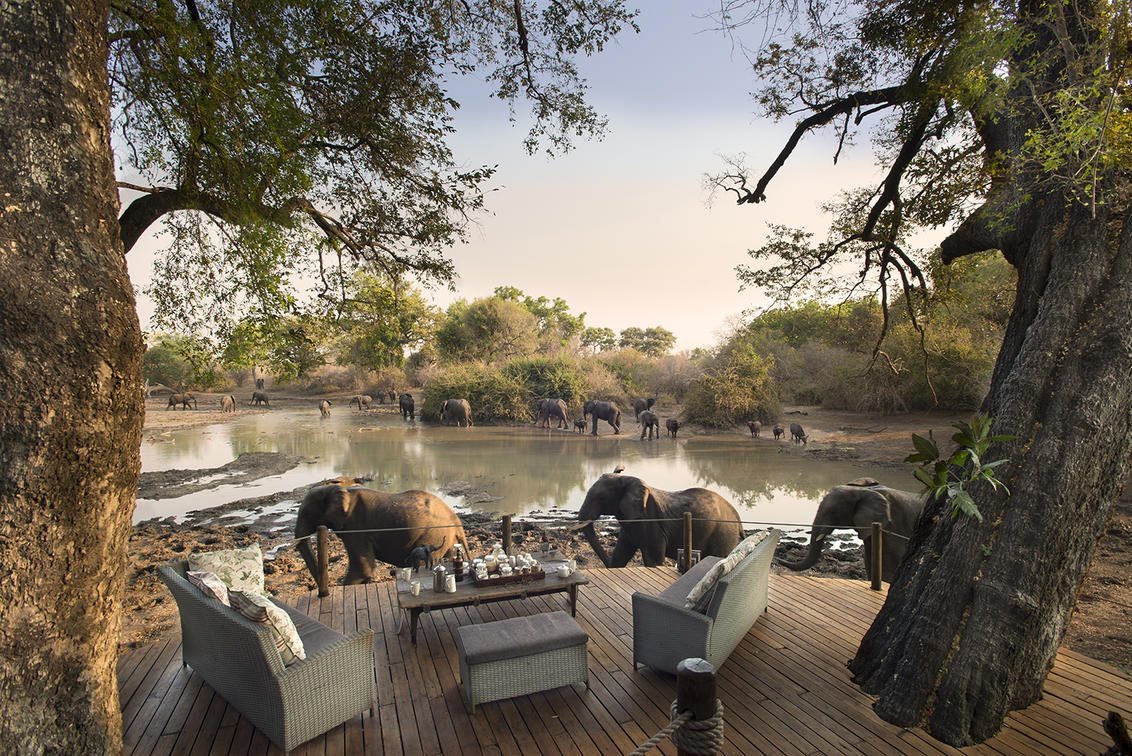
And still, after all these years, herds of elephants continue to move across Hwange’s plains in vast numbers, the kind that take your breath away.
Although the country’s once-legendary safaris slipped from the spotlight after 2000, they never lost their soul. And now, they’re making a comeback.
Those who knew Zimbabwe in its golden age remember why it was celebrated as Africa’s ultimate safari destination. The political and economic crises that defined the last 25 years have sadly kept many travellers away, but the land never stopped offering its raw and unfiltered wilderness. It’s still there, as beautiful and wild as ever.
Now, as stability is returning and tourism finds a new footing, the Zimbabwe safari experience has grown even stronger. Today, the country’s safaris carry an authenticity and sense of exclusivity few destinations can match.
Why Zimbabwe Was Always Different
Before the year 2000, Zimbabwe was considered Africa’s safari jewel. Its national parks were well run, its wildlife populations were robust, the prices were competitive, and its guides were respected across the continent.
Hwange National Park became famous for its dense elephant herds and diversity of mammals, while Mana Pools carved its reputation as a place where walking safaris felt truly wild. The majestic Victoria Falls drew many travellers in, and the network of excellent lodges across the country kept them exploring.
Even as other destinations developed larger, more commercial safari industries, Zimbabwe kept a tradition of depth. Its professional guiding qualification remains to this day one of the most demanding in Africa, often taking as much as six years of apprenticeship, certifications, examinations, and mentorship in the field. This rigour created a calibre of safari guide that many visitors still describe as unseen.
The Years of Challenge
After 2000, political upheaval and economic collapse brought international headlines that frightened most travellers away. Safari camps across the country had to shut their doors. Many operators left the country. The wildlife remained, but the visitors did not. For more than a decade, tourism numbers dropped to a fraction of what they had been.
Yet, through those years, something unexpected happened. A lot of fantastic guides stayed. Many of them came from families with deep ties to the land and refused to abandon their lodges. And many of those who did leave have started coming back.
Conservationists worked quietly to protect the parks even as resources thinned. The safari culture survived, stripped of its gloss but holding on to its integrity.
Those who visited during those quiet years would remember having entire valleys or floodplains to themselves. The wildlife never left.
The Resurgence of Zimbabwe Safaris
Over the past decade, Zimbabwe has undergone a remarkable tourism recovery. International arrivals have risen steadily, reaching over 1.6 million in 2024, according to the Zimbabwe Tourism Authority.
Numerous safari camps have been refurbished and have reopened, new lodges have been built, and the country has started to re-establish itself on the luxury safari travel map.
But the new Zimbabwe is not a replica of its old golden age. It is, in many ways, better:
- Renewed Conservation Focus
Zimbabwe’s national parks remain among the best managed in Africa, with Hwange, Mana Pools, and Gonarezhou leading community-based conservation initiatives such as Painted Dog Conservation. In Hwange alone, conservation groups now run a large number of solar-powered boreholes to keep wildlife watered through the dry season.
- World-Class Guides
Zimbabwe’s tough licensing system for guides never weakened. Guests today are guided by professionals who have years of experience tracking all kinds of game and reading landscapes. These men and women have led safaris through both good and hard times, with experience that is all the richer because their knowledge runs deep.
- Small and Intimate Lodges
Zimbabwe has somehow avoided the mass tourism model. Many of the new developments tend to be boutique, with only a few rooms. This keeps crowds light and sightings private. It also ensures the experience feels personal, not processed.
- Value for Money
A luxury safari here can cost around $900 per person per day, compared to double that across the border in Botswana. All in all, the experience is of similar quality, yet the savings are significant.
The Magic of Hwange National Park
At more than 14 600 km2, Hwange is Zimbabwe’s largest national park. It supports over 100 mammal species, offering some of the greatest diversity in Africa.
During the dry months from May to November, elephants congregate at waterholes in staggering numbers, sometimes hundreds at once. Lions, painted dogs, buffalo, leopards, hippos, and sable and roan antelope add to the spectacle.
Unlike more crowded safari destinations, Hwange still has a lot of space to offer. You can sit at a hide for hours and feel no rush. The camps in the park, like Somalisa and Linkwasha, are designed to blend into the landscape rather than dominate it.
Mana Pools: A Wilderness Like No Other
Mana Pools, a UNESCO World Heritage Site, remains one of the country’s most famous wilderness areas. Here, the Zambezi River slows into wide floodplains lined with winterthorn trees, hippo pods, and elephant herds.
Instead of driving around, walking and canoeing are central to the experience in Mana Pools, giving guests a closeness to wildlife that feels visceral.
Guides here will lead guests on foot to do things like watch elephants standing on their hind legs to reach high branches. When you’re on foot, the encounters are raw and unforgettable. Camps such as Ruckomechi and Nyamatusi set the stage, but the landscape itself carries the drama.
Victoria Falls: One Of The Greatest Sights In Africa
Every safari in Zimbabwe needs to be anchored by a visit to Victoria Falls. At 1.7 kilometres wide and over 100 metres high, it is one of the planet’s most magnificent natural wonders. Visiting the Falls before or after a safari adds contrast to the wilderness – the deafening thunder of water versus the stillness of the bush.
The town of Victoria Falls has grown into a vibrant hub, offering luxury lodges, river cruises, helicopter flights, and craft markets. What’s more, you can connect directly to Hwange or onto Mana Pools, keeping your logistics smooth and seamless.
Authentic Lodges With Real Character
In Zimbabwe, luxury is not defined by things like marble floors and gold fittings. Rather, it’s found in authenticity and character. Lodges such as Somalisa, Ruckomechi, Matetsi River Lodge, and Victoria Falls River Lodge balance comfort with a strong sense of place.
Also, many of these places run on solar power, employ local staff, procure their supplies from local businesses, and invest in conservation projects. You can expect rooms that open directly onto the bush, with animals even venturing right up to your patio, where you will enjoy your meals under open skies.
This is where cosy fireside conversations replace glossy entertainment and the experience feels true to a safari’s spirit, even if it is a little more refined.
Why a Zimbabwe Safari Feels Different Now
What makes the resurgence of Zimbabwe safari travel remarkable is not only that it has returned but also how it has matured. The country’s challenges forced a reset. Camps stayed small, guides became even more respected, conservation partnerships deepened, and costs stayed accessible relative to other luxury destinations.
This combination creates a safari experience that is both high-quality and deeply personal. It avoids the excess of overdeveloped regions while retaining world-class standards. If you’re seeking authenticity alongside luxury, Zimbabwe delivers with quiet confidence.
The Best Time to Travel
Game viewing peaks during the dry season between June and November, when animals gather at permanent water sources. Elephant herds are at their most visible, and predators stay active.
The shoulder months of April, May, and December bring lighter visitor numbers, greener landscapes, and reduced rates. Even the rainy months of January to March offer rewards: birdlife is abundant, vegetation lush, and lodges quieter.
Choosing the right season depends on your preferences, but in every case, the safari quality remains strong.
Tailormade Africa has long-standing ties with Zimbabwe’s finest guides, lodges, and conservation partners. If you want an African adventure that blends luxury with authenticity, contact Tailormade Africa now to start designing your ideal Zimbabwe safari.