
Thai cuisine reflects regional heritage through ingredients, preparation methods, and shared dining customs. At a talung thai restaurant, traditional recipes can introduce international travelers to distinctive flavor combinations and cultural practices. Fresh herbs, balanced seasonings, and careful cooking techniques shape each dish. Understanding these traditions helps visitors appreciate the cultural meaning behind familiar meals and unfamiliar ingredients.
Regional Ingredients Define Authentic Thai Flavors
Across Thailand, local produce influences everyday cooking. Lemongrass adds citrus notes, while galangal brings earthy warmth. Coconut milk creates richness in selected curries. Fish sauce contributes depth and savory character. These ingredients work together through measured preparation rather than excessive seasoning. For international diners, this balance reveals how Thai cooking builds complexity without relying on one dominant flavor.
Shared Meals Reflect Thai Hospitality
Dining in Thailand often centers on communal dishes. Rice accompanies curries, soups, and vegetable preparations. Guests can sample different combinations throughout the meal. This arrangement encourages sharing and creates natural opportunities for cultural exchange. Rather than focusing on one individual plate, diners discover how contrasting textures and seasonings complement each other across the table.
Which Cooking Methods Shape Traditional Dishes?
Traditional techniques influence texture, aroma, and flavor. Grilling introduces smoky notes, while steaming preserves delicate ingredients. Stir-frying combines high heat with quick preparation. Slow simmering allows spices to develop greater depth.
- Grilling gives meats distinctive charred edges.
- Steaming keeps fish tender and moist.
- Stir-frying preserves crisp vegetables and fresh colour.
- Simmering helps curry ingredients release their aromas.
Each method serves a culinary purpose beyond appearance.
Why Does Presentation Matter At Mealtimes?
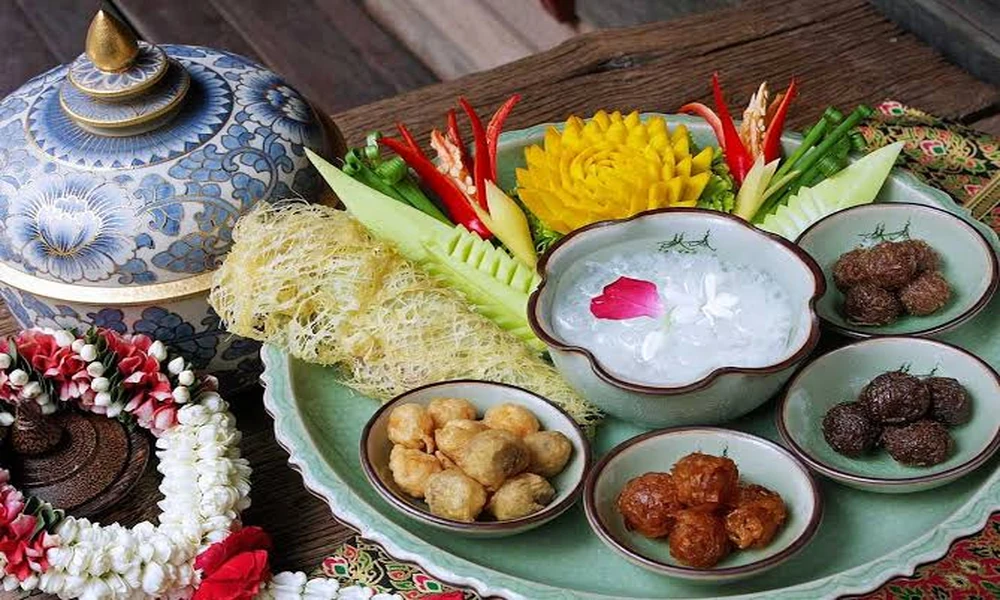
Visual presentation prepares diners for the first taste. Colorful vegetables contrast with rich sauces and golden fried ingredients. At a talung thai restaurant, thoughtful plating can also highlight traditional garnishes and regional cooking styles. Such details help international visitors recognize ingredients before tasting them. Presentation therefore connects visual appreciation with a deeper understanding of culinary craftsmanship.
How Do Traditional Recipes Welcome Newcomers?
Thai menus can introduce unfamiliar flavors through recognizable ingredients. Chicken, seafood, rice, and vegetables provide accessible starting points. Diners can explore aromatic curries or herb-based salads at their preferred pace. Clear descriptions of ingredients also help guests communicate dietary needs. This balance preserves culinary identity while making traditional dishes easier to understand.
Traditional Flavors Create Cultural Connections
A meal can reveal more than cooking skills. The fragrance of fresh basil or the sharpness of lime can communicate regional preferences and ingredient choices. Shared dishes also encourage travelers to notice differences in seasoning and preparation. Such observations turn an ordinary dinner into a cultural reference point, remembered through specific tastes rather than photographs alone.
FAQs
What Makes Thai Cuisine Distinctive?
Thai cuisine combines herbs, spices, and balanced seasonings. Regional ingredients create varied flavors, textures, and aromas.
Which Ingredients Are Common In Thai Cooking?
Lemongrass, galangal, basil, lime, and fish sauce feature prominently. Their combinations create distinctive aromas and layered flavors.
Why Are Thai Meals Often Shared?
Shared dishes allow diners to sample different preparations. This custom encourages hospitality and creates opportunities for social connection.
Can International Travelers Enjoy Traditional Thai Dishes?
Yes, familiar ingredients can provide an accessible starting point. Menu descriptions and ingredient guidance help visitors explore confidently.