

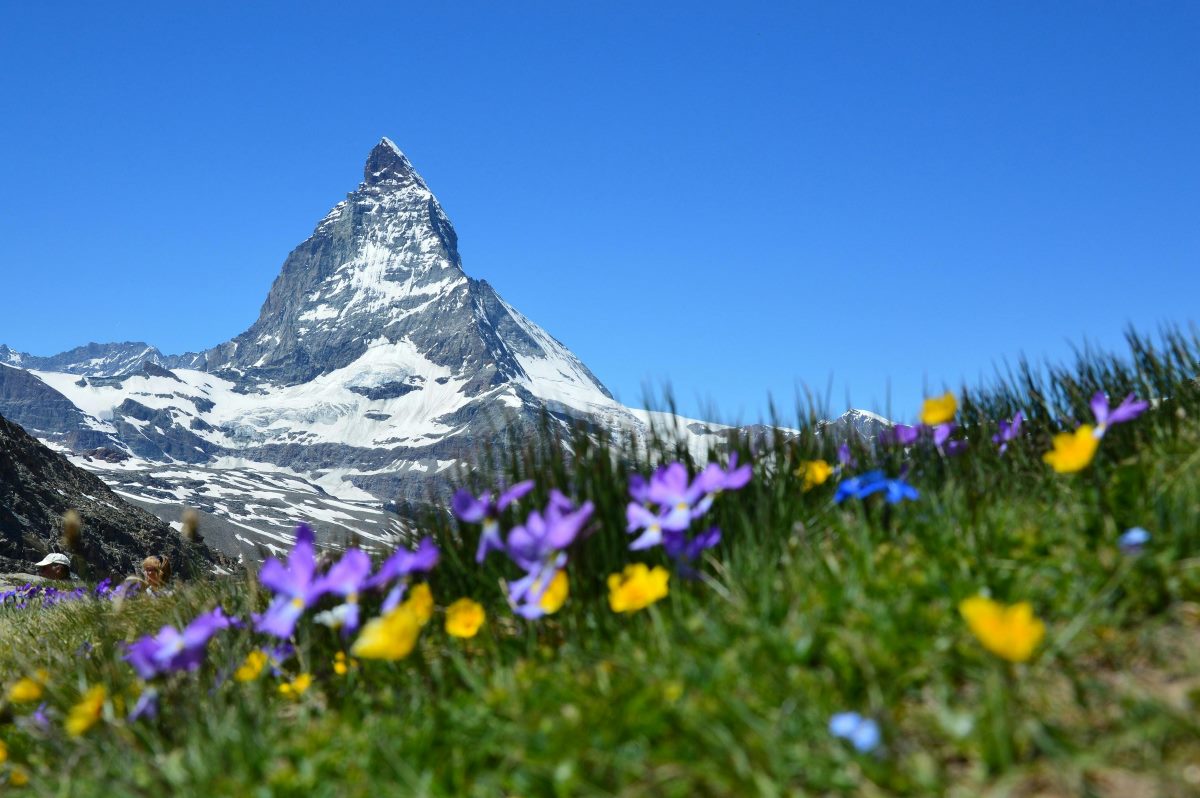
Alps change behavior before they change scenery. The road climbs, reception drops, and decisions narrow to the practical: where to stop, how warm it is, how much light remains. Arrival is less about check-in and more about recalibration. Breathing deepens. Movements slow. The mountains do not welcome; they impose a rhythm that visitors either resist or accept.
The First Evening’s Adjustment
The first evening works best without ambition. Altitude dulls appetite and sharpens fatigue, and both deserve attention. A short walk through the village, a simple meal, early sleep. Lights scattered across slopes rather than streets. Sound reduced to footsteps and the occasional engine. This initial restraint sets the tone for the weekend, creating space for the days ahead rather than exhausting them.
Morning Light and Orientation
Mornings at elevation arrive cleanly. Light is decisive, shadows sharp, air cooler than expected even in summer. Orientation happens gradually, not through maps but through repetition: the same path taken twice, the same view noticed from different angles. Coffee tastes stronger. Silence feels structured rather than empty. These hours define the weekend’s pace more effectively than any plan.
Choosing Movement Over Coverage
High mountains reward intention, not quantity. One well-chosen trail offers more than several rushed outings. Walking becomes an act of attention: terrain underfoot, changes in vegetation, shifts in temperature. Conversation fades and returns naturally. This selective approach leaves room for rest, which is not a concession here but a necessary component of enjoyment.
Midday Pauses and Comfort
By midday, the need for pause becomes evident. Sun exposure, altitude, and exertion accumulate quietly. Refuges, terraces, and shaded benches provide necessary interruption. Meals are functional yet satisfying, designed to sustain rather than impress. It is often during these pauses that travelers begin to appreciate the value of proximity and ease, especially when returning to a luxury hotel in the Alps feels less like retreat and more like continuation of the day’s rhythm.
Interiors That Matter
Afternoons shift focus indoors. Wellness areas, reading rooms, and quiet corners gain importance as the body recalibrates. Comfort in the mountains is spatial and thermal rather than decorative. Thick walls, controlled warmth, and silence serve a practical purpose. These interiors allow recovery without detachment, keeping the landscape present through windows rather than shutting it out.
Late Afternoon Transitions
Later hours invite shorter excursions. A cable car ride to extend perspective without physical strain. A village walk that reveals daily life beyond visitor routines. Children returning from lessons, supplies unloaded, locals greeting each other without urgency. These transitions add texture, reminding visitors that the mountains are inhabited year-round, not staged for weekends.
Evenings Without Spectacle
Evenings in high mountain settings resist dramatization. Darkness arrives quickly. Temperatures drop. Dinner becomes the anchor of the night, not for its ceremony but for its timing. Courses unfold steadily, conversation unforced. Afterwards, movement slows to a near standstill. A short walk. A final look at the sky. Sleep comes early and deeply.
The Second Morning’s Clarity
The second morning feels different. Acclimatization has occurred. The body responds more readily. Decisions feel lighter. Whether choosing another walk or a longer breakfast, the weekend’s purpose clarifies itself: presence over performance, attention over accumulation. This clarity often marks the success of a short stay at altitude.
Leaving Without Rush
Departure rarely feels abrupt. The descent reverses the process of arrival gradually, restoring noise and choice mile by mile. What lingers is not a highlight but a sensation: steadier breathing, quieter thoughts, a recalibrated sense of time.
A stylish weekend in the high mountains does not announce itself.
It settles in, quietly, and stays longer than expected.